Difficult group conversations
Structured conversations for teams, partners, stakeholders, or community members who need to understand different perspectives and make progress without a formal adjudication.

Not every difficult situation calls for formal mediation. Sometimes a team needs a carefully facilitated conversation, a leader needs a plan for addressing conflict, or an organization needs help identifying the issues beneath a recurring disagreement. VirNet offers practical conflict consulting, structured dialogue, and communication support designed around your circumstances.
Services may be delivered online across the United States, subject to suitability and applicable requirements. In-person sessions may be arranged.
Conflict often grows when concerns are left unspoken, roles become unclear, or people stop trusting the process for making decisions. An intentionally designed conversation can create a better starting point.
Disagreement is not always evidence that a relationship or organization is failing. People may be responding to different information, competing priorities, or patterns of communication that make ordinary decisions difficult. A neutral facilitator can help a group discuss these differences with more structure and less escalation.
Other situations call for individualized preparation rather than a joint meeting. A manager may want help planning a difficult conversation; a professional may need to identify constructive options; or an organization may need assistance deciding whether facilitation, mediation, investigation, training, or another response is appropriate.
VirNet begins by clarifying the requested role, the people affected, and what a productive outcome would look like. Consulting and coaching are tailored services: they are not automatically confidential mediation, and a consultant working for one person or organization is not necessarily a neutral for every participant.
Distinguish the underlying concerns from assumptions, positions, and recurring patterns.
Design a conversation that takes account of voice, authority, and power differences.
Identify realistic commitments, ownership, and opportunities to revisit progress.
These options are examples. We tailor an engagement to your actual goals, participant needs, and any relevant organizational or legal requirements.
Structured conversations for teams, partners, stakeholders, or community members who need to understand different perspectives and make progress without a formal adjudication.
One-to-one planning for difficult discussions, reframing concerns, assessing options, and approaching sensitive interactions with clearer goals and communication strategies.
Facilitated discussions about expectations, roles, decision-making, trust, accountability, and the working relationships necessary to carry out a shared mission.
Practical communication agreements, role clarification, and structured conversations following a workplace disruption, when the process is appropriate and voluntary or otherwise properly authorized.
Reviewing how concerns are raised, meetings are conducted, decisions are explained, and disagreements are escalated, with recommendations for more constructive procedures.
Dialogue during leadership transitions, restructuring, policy changes, partnership shifts, or other situations where uncertainty and competing expectations may generate conflict.
VirNet does not offer psychotherapy, clinical counseling, legal representation, or independent fact-finding investigations through this service. If those services are needed, we can discuss the appropriate process boundaries during intake.
Each approach serves a different purpose and has different expectations about who the professional serves, how information is handled, and whether the participants are negotiating an agreement.
A facilitator helps participants hear one another, clarify issues, and discuss possible next steps without taking sides or imposing an outcome.
Coaching supports an individual or client organization in understanding conflict and planning communication. It is not a neutral service to all sides.
When parties are negotiating the resolution of an identified dispute, a separately defined mediation engagement may be more appropriate.
A consulting engagement may lead to a more productive conversation, a shared understanding of next steps, or an improved process for handling conflict in the future. Outcomes depend on the participants and the agreed scope of work.
Practical expectations for meetings, response times, tone, participation, and raising concerns before they escalate.
Clearer understanding of responsibility, consultation expectations, approval authority, and where decisions ultimately belong.
Agreed meeting structures, feedback practices, accountability steps, and ways of addressing disagreement respectfully.
Who will communicate what, to whom, when, and through which channels, including plans for future difficult conversations.
A clearer framework for when to seek facilitated dialogue, HR guidance, a formal complaint process, mediation, or outside professional assistance.
Action items, identified owners, milestone dates, and a means of checking whether new practices are serving their intended purpose.
We consider authority, safety, access, and legal or organizational obligations before recommending a facilitated process. An informal discussion should not be used to sidestep required protections.
We define the work before it begins, including professional role, participants, format, confidentiality expectations, deliverables, and any organizational approvals.
Describe the conflict, who is affected, what has been attempted, and what you want to accomplish.
Confirm suitability, role boundaries, attendance, preparation, time, cost, and the format for participation.
Facilitate a group dialogue, provide scoped coaching, or support a structured planning conversation.
Summarize authorized commitments, recommendations, or follow-up work without implying agreement where none exists.
Some needs can be addressed in a focused session. Others call for preparation meetings, multiple facilitated discussions, or an agreed series of coaching sessions. We discuss a suitable scope and fee arrangement before scheduling substantive work.
Virtual facilitation can help teams, leaders, and stakeholders in different locations participate without travel. Sessions can be organized for a small group, a leadership team, or separate conversations in advance of a joint meeting.
In-person facilitation may be appropriate for a leadership retreat or a sensitive discussion that benefits from a shared setting. We assess the objectives, number of participants, logistics, privacy arrangements, and cost before deciding on the format.
Discuss format and availability →Preparation should clarify what matters and what would make the conversation useful. It need not become a lengthy report or a premature exchange of sensitive information.
Initial inquiries should describe the issue at a general level. Do not send confidential personnel, health, student, or legally protected records until VirNet has confirmed an appropriate intake and information-handling process.
VirNet's approach draws on experience in negotiation, dispute resolution, higher education, workplace issues, and institutional leadership. We understand that the immediate disagreement often exists within a wider system of responsibilities, incentives, and continuing relationships.
We use those perspectives to design purposeful conversations without confusing the roles of neutral facilitator, adviser, investigator, organizational decision-maker, or attorney for a participant.
If a matter would be better served by formal mediation, independent investigation, legal counsel, clinical support, or another specialized process, we discuss those distinctions during the initial consultation.
Meet the VirNet team →Mediation is built on trust. Meet the professionals who create a structured, respectful space to explore options and move difficult conversations forward.
Legal experience, academic training, and years spent facilitating difficult discussions inform our work—while neutrality and participant choice remain central to every mediation.

Attorney, educator, and mediator whose practice draws on civil rights administration, workplace dispute resolution, negotiation, and organizational leadership. Ben emphasizes thoughtful preparation, clear communication, and durable, participant-driven agreements.
J.D. · Ph.D. · Mediation & ADR educator
Read Ben's background →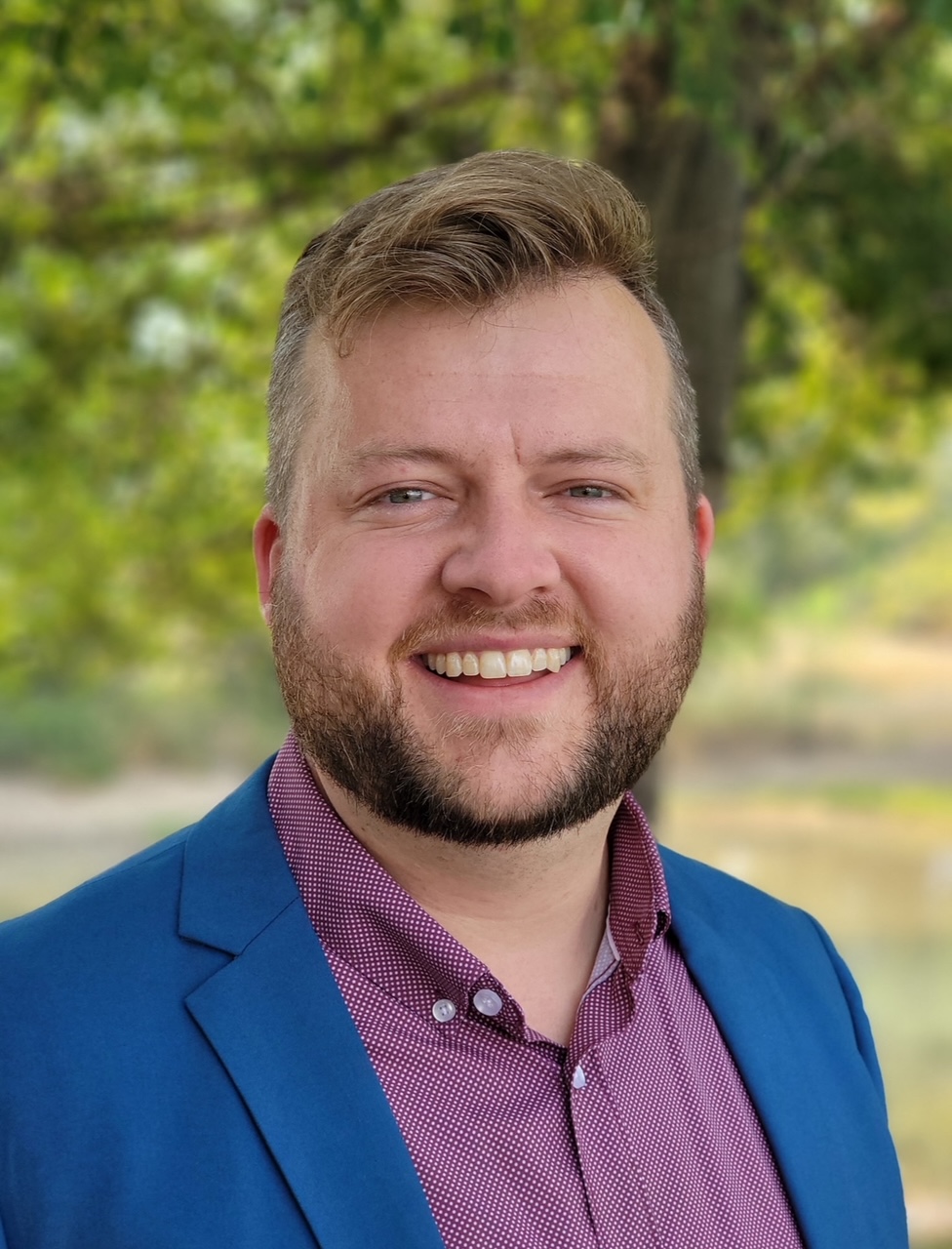
Attorney and bilingual mediator who helps individuals, families, and businesses work through emotionally charged and complex disputes. Josh brings a calm, practical approach to communication, negotiation, and the development of workable agreements.
J.D. · Family & civil mediation · Spanish-speaking
Read Josh's background →
Virginia Earwicker is a Certified Professional Mediator with a background in psychology and graduate studies in clinical mental health counseling. As Client Lead Specialist and Mediator, she helps individuals and families navigate difficult conversations with empathy, clarity, and thoughtful guidance. Virginia brings a compassionate, client-centered approach to mediation, emphasizing trust, communication, and practical resolution.
B.S. · Certified Professional Mediator · Client Intake & Mediation
Read Virginia's background →VirNet mediators facilitate the process as neutrals; they do not serve as either participant's attorney in the mediation.
These answers describe our general approach. We will clarify role, confidentiality, pricing, and suitability for your specific engagement.
Facilitation helps participants hold a productive conversation, examine issues, and plan next steps. Mediation is a specifically defined neutral dispute-resolution process often focused on negotiating an agreement. An engagement may use similar communication skills, but professional obligations and confidentiality expectations are not automatically identical.
Conflict coaching is individualized preparation for a challenging interaction or recurring disagreement. It may focus on communication strategies, issue framing, listening, options, and next steps. It is not psychotherapy, legal advice, or neutral mediation involving all sides.
For a joint facilitated dialogue, meaningful participation generally requires clear expectations and appropriate consent or organizational authority. A leadership-sponsored meeting may not be fully voluntary, and we address that honestly in designing the process. We do not present required attendance as voluntary mediation.
Potentially. We can discuss a scoped leadership or team engagement, including who the client is, whether the facilitator is neutral, who receives information or deliverables, and what approvals or employee protections apply.
No. A facilitator may support understanding and constructive exchange, but cannot require trust, agreement, an apology, or a particular personal response. Any commitments are subject to the applicable authority and participants' choices.
We can agree on privacy practices, but legal privilege and confidentiality depend on the service, contracts, applicable law, and participants' obligations. Consulting or coaching is not automatically privileged mediation. Some information may require reporting or disclosure.
This consulting service is not an independent investigation or a substitute for required organizational or legal responses. Where serious allegations raise reporting, safety, anti-retaliation, or investigative obligations, an appropriate formal process may be necessary before or instead of facilitated dialogue.
Often, yes, depending on the defined purpose, participant roles, and suitability. The engagement should clarify who speaks for the organization, who provides independent advice, and whether attendance will help or hinder meaningful participation.
Depending on the scope, deliverables might include a facilitated conversation, agreed action list, communication protocol, role-clarification plan, coaching sessions, or process-design recommendations. We will agree on documentation and recipients in advance.
Not as an automatic progression. Prior advice or coaching may create an actual or perceived conflict with neutral mediation. We assess the professional relationship and applicable standards; a different neutral may be appropriate or required.
Yes. Online engagement is often practical for geographically dispersed participants. In-person work may be arranged based on location, scope, participant needs, travel, and scheduling.
Send a general description of the situation and the support you are seeking. We will discuss the appropriate professional role, who should participate, the likely scope, availability, and the proposed fee structure before substantive services begin.
Tell us, in general terms, what is happening, who is involved, and what would make the situation more workable. We can discuss whether facilitated dialogue, coaching, consulting, or formal mediation is the right fit.